Your cart
There are no more items in your cart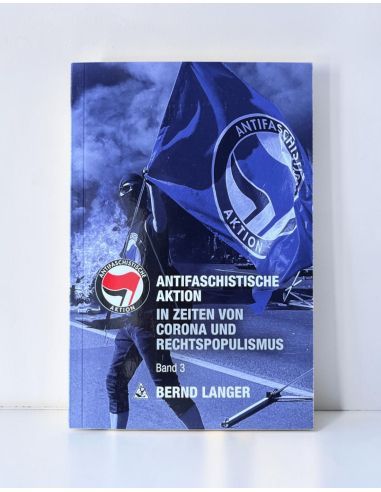
Antifaschistische Aktion
In Zeiten von Corona und Rechtspopulismus – Band 3
Bernd Langer
Here you can find the complete selection of books, magazines and calendars in our shop.
The third volume of the trilogy on the history of Antifascist Action begins with the onset of the COVID-19 pandemic in 2020. In the course of the pandemic, a so-called ‘opposition to the measures’ emerged, which was largely shaped by conspiracy-theory circles and far-right actors. Following the Russian attack on Ukraine in 2022, a right-wing peace mobilisation emerged from this spectrum. So-called patriotic civil rights movements emerged, linking xenophobic views with fears of socio-economic decline. Against this backdrop, the AfD became the largest opposition party in the Bundestag, and neo-Nazis stepped up their activities.
This was countered by mass anti-fascist mobilisations. Millions of people took to the streets, and tens of thousands engaged in civil disobedience against AfD party conferences in Essen, Riesa and Gießen. Antifa was a key force in this, just as it was in the resistance against neo-Nazis.
Alongside widespread protests, there were also acts of militancy, to which the state responded with repression on a scale never seen before. Criminal proceedings, such as those against the ‘Hammerbande’, are intended to act as a deterrent through the severity of the sentences imposed. In Hungary and the US, Antifa has also been classified as a terrorist organisation and banned.
This book provides the foundations for understanding what anti-fascism is and why it has become one of the key political debates of our time.
You might also like